Heat Pump Hot Water vs Gas Hot Water: Which Costs Less in Victoria?
August 19, 2026
For Victorian homeowners comparing heat pump vs gas hot water, running cost is often the biggest difference.
A well-sized heat pump uses less energy than gas hot water in many homes. It can save even more when you have rooftop solar. The benefit may also grow if hot water is your last gas appliance.
Upfront cost still matters. A heat pump may cost more to install before rebates. Electrical work, plumbing changes and the installation area can all affect the quote.
A fair heat pump vs gas hot water comparison should include:
The full installed price
Confirmed rebates and discounts
Expected yearly energy costs
Fixed gas supply charges
Household hot water demand
Your expected ownership period
Timing matters too. From 1 March 2027, most failed gas hot water systems in existing Victorian homes must be replaced with an efficient electric option if they can’t be repaired.
Planning early gives you more time to compare quotes, check rebates and choose the right location.
Heat pump vs gas hot water at a glance
This table gives you a quick heat pump vs gas hot water comparison.
Factor
Heat pump hot water
Gas storage
Continuous-flow gas
Energy source
Electricity
Gas
Gas
Estimated yearly energy cost for four people
About $275 to $435 without solar
About $740 to $820
About $555 to $685
Cost with rooftop solar
About $35 to $115 with daytime use
No solar benefit
No solar benefit
Upfront cost
Often higher before rebates
Can be lower for a simple replacement
Depends on the unit and gas supply
Hot water supply
Stored in a tank
Stored in a tank
Heated when needed
Space needed
Tank and compressor
Storage tank
Usually wall mounted
Fixed gas charge
May be removed if no gas appliances remain
Remains
Remains
Main checks
Tank size, power, noise, airflow and drainage
Flue, gas supply and ventilation
Gas pressure, flow rate and demand
2027 replacement rules
Suitable electric option
Restricted for most failed systems
Restricted for most failed systems
The figures give you a useful starting point, but every home is different. A tailored heat pump vs gas hot water assessment should also check your tariffs, current appliance, household demand and installation needs.
Your result will depend on your tariff, water use, climate and chosen system.
How heat pump and gas systems work
The main heat pump vs gas hot water difference is how each system creates heat.
Heat pump hot water
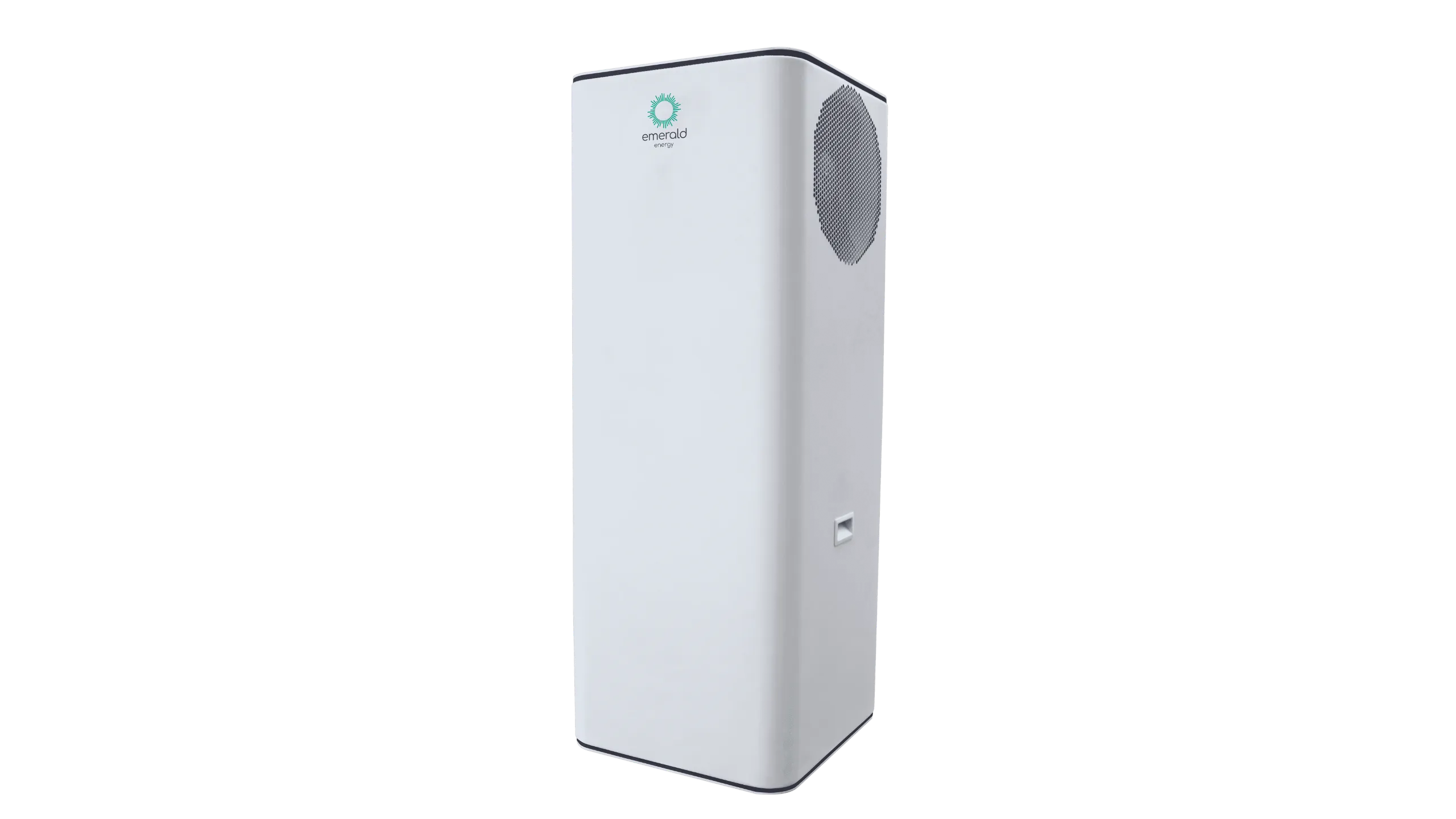
A heat pump hot water system moves heat from the surrounding air into a storage tank.
It works in a similar way to a reverse-cycle air conditioner. Instead of heating a room, it heats water.
A heat pump transfers existing heat. It doesn’t create all its heat through an electric element. This helps it use less power than a standard electric storage system.
Victorian Government guidance says heat pumps can use around 60% to 75% less electricity than conventional electric hot water systems.
Two main types are available:
Integrated systems, where the tank and compressor form one unit
Split systems, where the compressor sits apart from the tank
The right type depends on space, airflow, noise and pipe length.
Gas storage hot water
A gas storage system uses a burner to heat water in a tank.
The burner turns on when the water cools or new cold water enters. Energy is also used to keep the stored water hot.
Heat can escape from the tank and pipes. These losses add to the running cost.
Continuous-flow gas hot water
A continuous-flow unit heats water when you open a tap.
It doesn’t store water, so there is no tank heat loss. However, its performance depends on flow rate and demand.
A unit may handle one shower well but struggle when several outlets run at once.
Heat pump vs gas hot water upfront costs
The upfront heat pump vs gas hot water price depends on the home and installation.
A heat pump job may need:
A new electrical circuit
Switchboard work
Plumbing changes
A concrete base
New drainage
Longer pipe runs
A new installation location
Removal of the old system
A tempering valve
A simple gas replacement may cost less when the existing pipes, flue and base can be reused.
That isn’t always possible. Gas pressure, ventilation and compliance work can raise the cost.
Avoid comparing a full heat pump quote with the shelf price of a gas appliance. Compare the complete installed cost for each option.
What should the quote include?
Ask for a written quote that shows:
The exact model
Tank capacity
Supply and installation
Plumbing work
Electrical work
Old-system removal
Rebates and discounts
Your final payment
Product warranty
Workmanship warranty
Possible extra costs
A clear heat pump vs gas hot water quote makes it easier to compare installers.
Is heat pump hot water cheaper than gas to run?
In many Victorian homes, yes. Government modelling estimates that a four-person household may spend $275 to $435 a year running a heat pump without solar. Gas storage may cost $740 to $820. Continuous-flow gas may cost $555 to $685.
These are modelled figures, not quotes.
They assume four people in Melbourne using around 150 litres of hot water each day. They don’t include the daily gas supply charge.
Your heat pump vs gas hot water running cost will depend on:
Shower length
Water flow rates
Baths
Household size
Electricity prices
Gas prices
Tank size
Heat pump efficiency
Booster use
Rooftop solar
Timer settings
The Victorian Energy Upgrades program says an eligible gas-to-heat-pump upgrade may save around $400 a year. Actual savings can differ.
A ten-year heat pump vs gas hot water example
Consider a Melbourne family of four.
The modelled yearly costs are:
Heat pump without solar: $275
Heat pump using daytime solar: $35 to $75
Five-star gas storage: $740
Efficient continuous-flow gas: $555
Over ten years, the estimated energy savings are:
These figures don’t include the purchase price.
Suppose the heat pump costs $2,000 more after rebates. The simple payback may be:
About four years compared with gas storage
About seven years compared with continuous-flow gas
About three years compared with gas storage when using solar
About four years compared with continuous-flow gas when using solar
This heat pump vs gas hot water example is a guide only. Your quote, tariff and water use will change the result.
Include the fixed gas charge
A gas bill includes the gas you use and a daily supply charge.
Replacing gas hot water won’t remove this fee if you still use gas for heating or cooking.
The saving becomes larger when hot water is your final gas appliance. Closing the gas account may avoid about $350 to $400 a year in supply charges.
Gas connection removal fees may apply. Check these costs with your retailer and distributor.
Use this simple heat pump vs gas hot water calculation:
Installed price after rebates
+ energy costs over five or ten years
+ gas supply charges
+ servicing costs
+ connection or disconnection fees
This gives you a better answer than the appliance price alone.
Heat pump vs gas hot water with rooftop solar
Rooftop solar can improve the heat pump result.
Many heat pumps include a timer. You can set the unit to heat water during the day when your solar panels are producing power.
The tank then stores hot water for later use.
This can reduce the amount of electricity bought from the grid. It may also provide more value than exporting solar at a low feed-in rate.
A good heat pump vs gas hot water solar assessment should review:
Solar system size
Daytime solar output
Hot water use
Tank size
Recovery speed
Timer controls
A timer can’t fix a tank that’s too small. The system must meet peak household demand first.
Tank size and household demand
Household size is only a starting point.
Four people taking short showers may use less hot water than two people with long showers and a large bath.
Teenagers, visitors and shift workers can also change demand.
An installer should ask about:
The number of residents
Shower length
Baths and spa baths
Peak hot water times
The number of bathrooms
Outlets used at the same time
Future household changes
A tank that’s too small may run out of water. It may also use the electric booster more often.
A tank that’s too large can cost more to buy and keep hot.
Correct sizing can decide whether your heat pump vs gas hot water upgrade works well in daily use.
Heat pump vs gas hot water installation checks
A suitable system still needs a suitable location.
Noise and placement
The compressor makes sound while the heat pump runs. The noise level varies between models.
Avoid placing it beside:
Bedroom windows
A neighbour’s bedroom
Quiet outdoor areas
Enclosed spaces
Narrow passages that may amplify sound
Check the published sound rating for the exact model.
Electrical supply
A heat pump needs a suitable power supply.
Some homes need a dedicated circuit. Older homes may also need switchboard work.
Your quote should state whether this work is included.
Space and airflow
The compressor needs clear airflow.
Installers also need space to fit and service the unit. An old gas tank location may not meet the new clearance or drainage needs.
Cold-weather use
Victorian winters don’t rule out a heat pump.
However, models perform differently in cold weather. Check the minimum operating temperature before buying.
A model used in Melbourne may not suit a colder regional town.
The installer should explain how each heat pump vs gas hot water option will perform in winter.
Energy use and emissions
Water heating can account for 15% to 30% of household energy use. It can also produce up to 25% of emissions from an average Australian home.
Sustainability Victoria’s four-person model estimates ten-year emissions of:
4.1 tonnes for a higher-efficiency heat pump
7.3 tonnes for efficient continuous-flow gas
9.8 tonnes for five-star gas storage
10.9 tonnes for four-star gas storage
The heat pump vs gas hot water emissions gap may grow when the heat pump uses rooftop solar.
A heat pump still has manufacturing and refrigerant impacts. It shouldn’t be described as emission-free.
Heat pump vs gas hot water rebates in Victoria
Eligible households may combine the Solar Homes rebate with a Victorian Energy Upgrades discount.
As at 22 July 2026, the Solar Homes rebate covers up to 50% of the eligible product price after other discounts.
The caps are:
Up to $1,000 for an eligible product
Up to $1,400 for an eligible locally made product
The current VEU discount for replacing gas hot water with a heat pump is up to $560.
This creates a combined gas-replacement maximum of:
Up to $1,560 with the standard Solar Homes rebate
Up to $1,960 with an eligible locally made product
Higher combined figures may apply when an inefficient electric system is replaced. They aren’t the standard gas-replacement amounts.
Your heat pump vs gas hot water quote should show the exact rebate and discount applied.
Solar Homes eligibility
You may qualify when:
You own and live in an existing Victorian home
The owners earn less than $150,000 in combined taxable income
The property is valued below $3 million
The address hasn’t received a hot water or battery rebate
The current system is at least three years old
You use an authorised retailer
You select an approved product
The income cap changed from $210,000 to $150,000 on 1 July 2026.
VEU has separate rules. Private rental properties may also qualify.
Rebates aren’t guaranteed. Government rules, product lists and certificate values can change.
Planned replacements
For a planned job:
Get a written quote.
Apply before installation.
Supply the requested documents.
Wait for approval and your QR code.
Ask the installer to scan the code before work begins.
Don’t pay a non-refundable deposit before approval.
Emergency replacements
A different process may apply when the existing system has failed or become unsafe.
An authorised retailer may install an eligible unit before approval. You must apply as soon as possible after the work.
Approval isn’t guaranteed. You will pay the full price if the application fails.
Which heat pump vs gas hot water option suits your home?
A heat pump may suit your home when:
You want lower running costs
You have rooftop solar
Hot water is your final gas appliance
Rebates reduce the upfront cost
You have a suitable outdoor location
You plan to stay in the home
You want to move away from gas
A gas replacement may still appear cheaper before 1 March 2027. This can happen when the existing setup is easy to reuse.
However, a new gas unit may keep you paying gas use and supply charges for years.
Get property-specific advice when:
Several bathrooms run at once
The household uses large amounts of hot water
The switchboard is old
The unit will sit near bedrooms
The home is in a cold regional area
You may close the gas account
Quotes use different tank sizes
Your final heat pump vs gas hot water choice should meet peak demand at the lowest practical ownership cost.
How Smart Upgrades can help
Smart Upgrades supplies and installs heat pump hot water systems for Victorian homeowners and landlords.
The team can assess your:
Current hot water system
Daily hot water use
Tank size
Installation area
Compressor location
Plumbing needs
Electrical needs
Rooftop solar
Available VEU support
Final installed price
A property visit turns a general heat pump vs gas hot water comparison into a quote based on your home.
Smart Upgrades can prepare a property-based heat pump vs gas hot water comparison before you choose a replacement. This helps you compare the final installed price, likely running costs, rebate eligibility and practical site requirements.
Before accepting a quote, confirm the model, warranty, scope, rebates and final payment in writing.
Frequently asked questions
Is heat pump hot water cheaper than gas in Victoria?
In many homes, yes. Government modelling estimates yearly heat pump costs of $275 to $435 for four people without solar.
Gas storage may cost $740 to $820. Continuous-flow gas may cost $555 to $685.
The heat pump vs gas hot water saving can grow when you use rooftop solar or close the gas account.
How much does a heat pump hot water system cost to run?
A two-to-four-person household may spend about $185 to $435 a year on heat pump hot water.
A four-person home using rooftop solar and daytime controls may spend about $35 to $115.
Your tariff, water use and system settings will affect the result.
Are Victorian rebates available for heat pump hot water?
Yes. Eligible owner-occupiers may receive up to $1,000 through Solar Homes.
An eligible locally made product may receive up to $1,400.
An eligible gas replacement may also receive a VEU discount of up to $560. This gives a combined maximum of $1,560 or $1,960.
How long does a heat pump system take to pay back?
Payback depends on the extra installed cost and annual savings.
In the example above, a heat pump costing $2,000 more may recover the difference in about four years compared with gas storage.
The period may be about seven years compared with efficient continuous-flow gas. Rooftop solar can shorten the result.
Does heat pump vs gas hot water make sense without solar?
Yes. A heat pump can still cost less to run without solar.
Solar improves the saving, but it isn’t required. Installation cost, household demand, tariffs and gas supply charges still matter.
Check your eligibility and request a tailored quote
Get a free, no-obligation heat pump vs gas hot water assessment before your current system fails.
Provide your postcode, existing hot water type, household size, solar details and preferred replacement date.
Smart Upgrades can inspect the property, explain possible incentives and prepare a tailored installation quote.
Call Smart Upgrades on 1300 998 769 or submit an upgrade request through the Smart Upgrades website.