Ducted Air Conditioning vs Split System: Which Suits a Melbourne Home?
September 23, 2026
Choosing between ducted air conditioning vs split system heating starts with how you use your home.
Think about your daily routine. Many households use the living room all day, then move to the bedrooms at night. In that case, room control matters as much as home size.
A single split system suits one main room or a small home. A multi-split suits several rooms that need separate controls. Ducted air conditioning suits whole-home comfort when there is space for ducts.
The wrong system can waste energy or leave rooms uncomfortable. The right system matches your layout, roof space, insulation and the areas you use most.
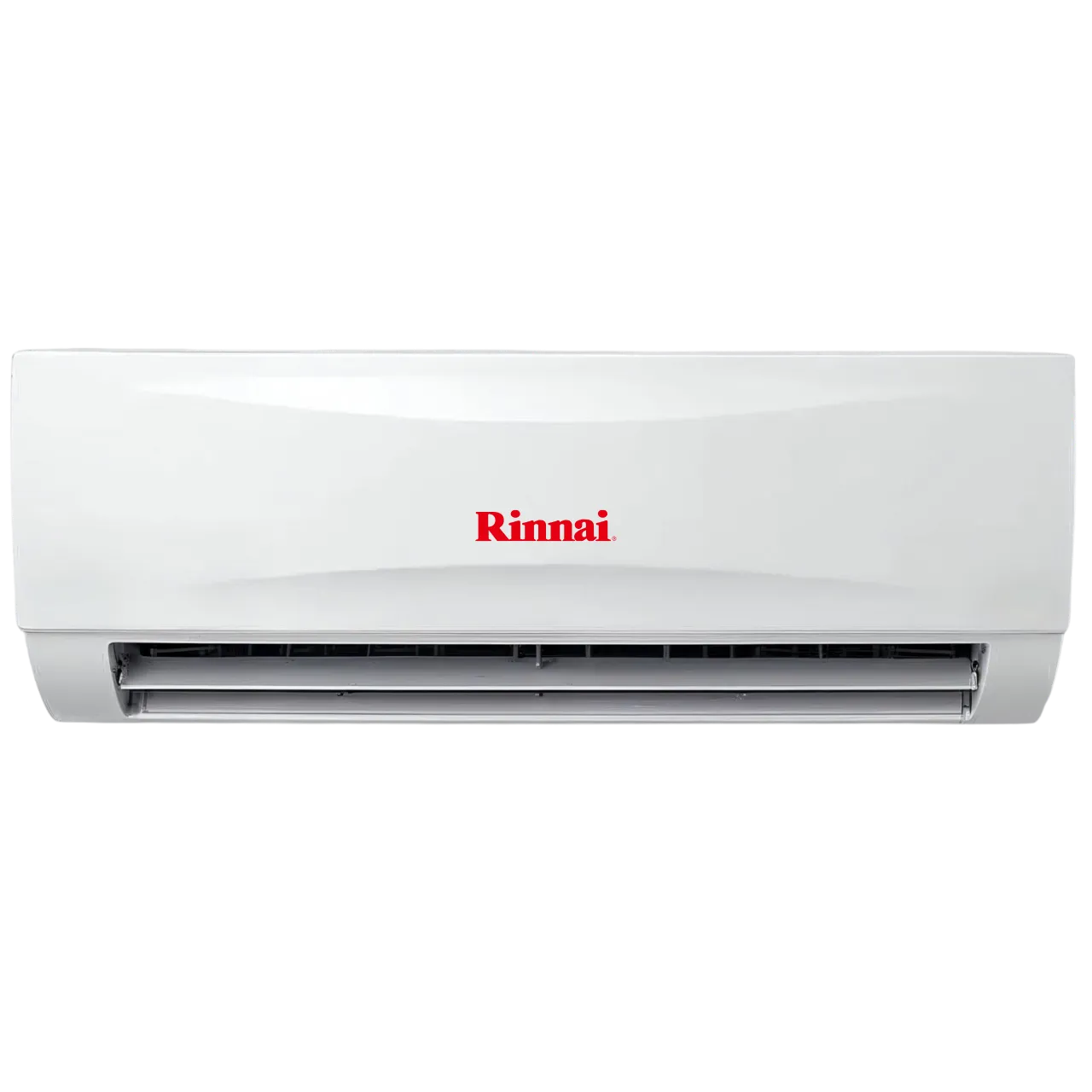
The Australian Government heating and cooling guide explains the main system types. A split system has one indoor unit and one outdoor unit. A multi-split links several indoor units to one outdoor unit. A ducted system sends air through ducts and vents.
Ducted air conditioning vs split system: quick comparison
Feature
Single split
Multi-split
Ducted
Best coverage
One room or open area
Several rooms
Most or all of the home
Room control
One area
Separate control in each room
Control through zones
Indoor look
Wall unit is visible
Wall unit in each room
Small vents are visible
Roof or floor space needed
No
No
Yes
Installation work
Lower for one room
More work for each added room
More work due to ducts and vents
Best fit
Apartment, unit or small home
Townhouse or home with separate rooms
Medium or large home
Consider three common Melbourne homes. A two-bedroom apartment can use one split system in the main living area. A townhouse can use a multi-split across both levels. A single-storey family home can use ducted air conditioning when the roof cavity has enough space.
Smart Upgrades can check your room sizes, roof access and outdoor unit locations. This helps you compare the right system types before you request a quote.
Ducted air conditioning vs split system for comfort
Ducted air conditioning sends warm or cool air to each connected room. It gives your home a more even feel when several rooms are in use.
A single split works in one room or open area. It gives strong control where your household spends the most time.
The choice between ducted reverse cycle air conditioning vs split system comfort depends on coverage. Ducted suits several rooms. A single split suits one main area.
A multi-split sits between these options. It serves several rooms without roof ducts. Each indoor unit has its own controls.
This can work well in a two-storey townhouse. You can run the living room unit during the day and the bedroom units at night.
Zoning and room-by-room control
Zoning divides a ducted system into separate areas. Small parts inside the ducts, called dampers, direct air to each zone.
A common setup has one zone for living areas and another for bedrooms. You can use the living zone during the day, then switch to the bedroom zone at night.
Good zoning stops you from heating or cooling every room at once. It also helps your system match your household routine.
The installer must plan the zones with care. Each zone still needs enough airflow for the system to work well.
Single split systems give you direct control over one room. Multi-split systems give each indoor unit its own setting.
When comparing ducted air conditioning vs multi split system control, both options serve several rooms. The difference is how they deliver air. Multi-splits use wall units. Ducted systems use vents and shared equipment.
Installation requirements
An air conditioning split system vs ducted installation has one main difference: duct space.
Ducted air conditioning needs room for the indoor unit, ducts, vents and zone controls. Most systems use the roof cavity. Some homes use underfloor space instead.
Low roof clearance can make installation hard. Roof framing, stored items and access points also affect the work.
If your home already has ducts, the installer should check them first. Old ducts can have leaks, damage or poor insulation. Some need repairs or replacement before a new reverse cycle system is installed.
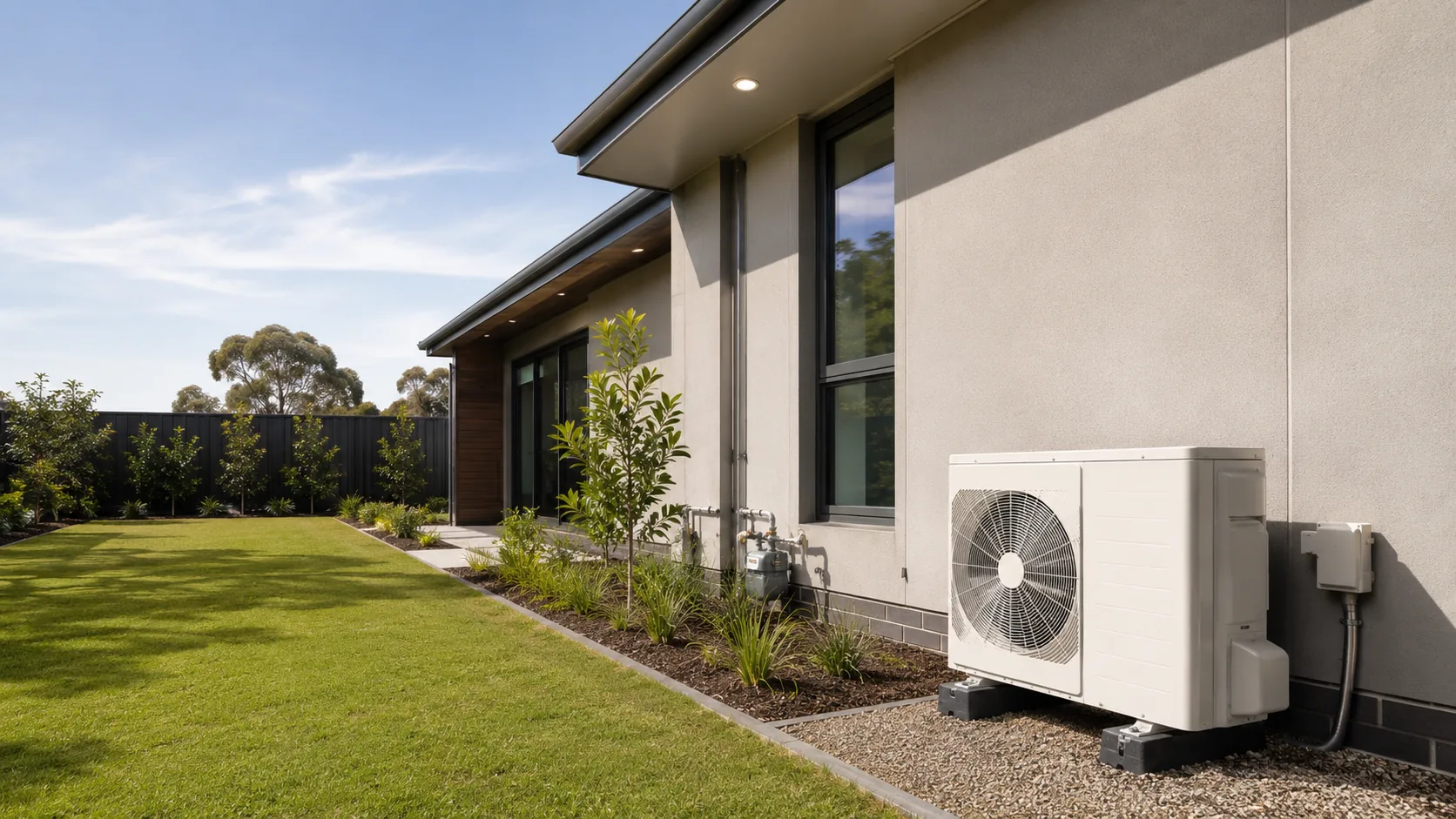
A split system needs a clear wall, a safe outdoor position and a path for pipes and drainage. It does not need ducts through the home.
A multi-split also avoids roof ducts. However, pipes must run from the outdoor unit to every indoor unit. Long or difficult pipe routes add time and cost.
Apartments and owners corporations
Split systems suit many apartments, but approval can affect the plan.
Outdoor unit placement can affect common property or the outside of the building. Pipework can also pass through shared walls or areas.
Check your owners corporation rules before work starts. Ask about unit placement, noise, common property and changes to the building exterior.
Check the installer’s licences
Air conditioning work can involve refrigerant, electrical and mechanical work.
The technician handling refrigerant needs the correct Australian Refrigeration Council licence. Electrical work must be completed by a licensed electrical worker. Victorian plumbing or mechanical registration can also apply.
Ask the installer which licences cover your job. You should also receive any required safety or compliance certificates.
Purchase and installation cost factors
Ducted systems involve more parts and more labour. The quote can include ducts, vents, zone controls and a central indoor unit.
A single split has a smaller installation scope. This makes it a simple option for one room or one open area.
The cost of several single splits adds up as you add rooms. A multi-split reduces the number of outdoor units, but each room still needs pipes and an indoor unit.
Your quote can also change due to:
system size
roof or wall access
long pipe runs
switchboard work
outdoor unit mounting
old system removal
duct repairs or replacement
extra zone controls.
System size is measured in kilowatts, or kW. This shows how much heating or cooling the unit can provide.
Bigger is not always better. A unit that is too large can turn on and off too often. A unit that is too small can struggle on hot or cold days.
A proper size check looks at room size, windows, insulation and the way your home is built. It should not rely on floor area alone.
Compare the full quote, not just the unit price. Check what is included for electrical work, controls, old equipment removal and warranties.
Appearance inside and outside your home
Ducted air conditioning has the cleanest indoor look. You see small vents and a controller instead of a wall unit in each room.
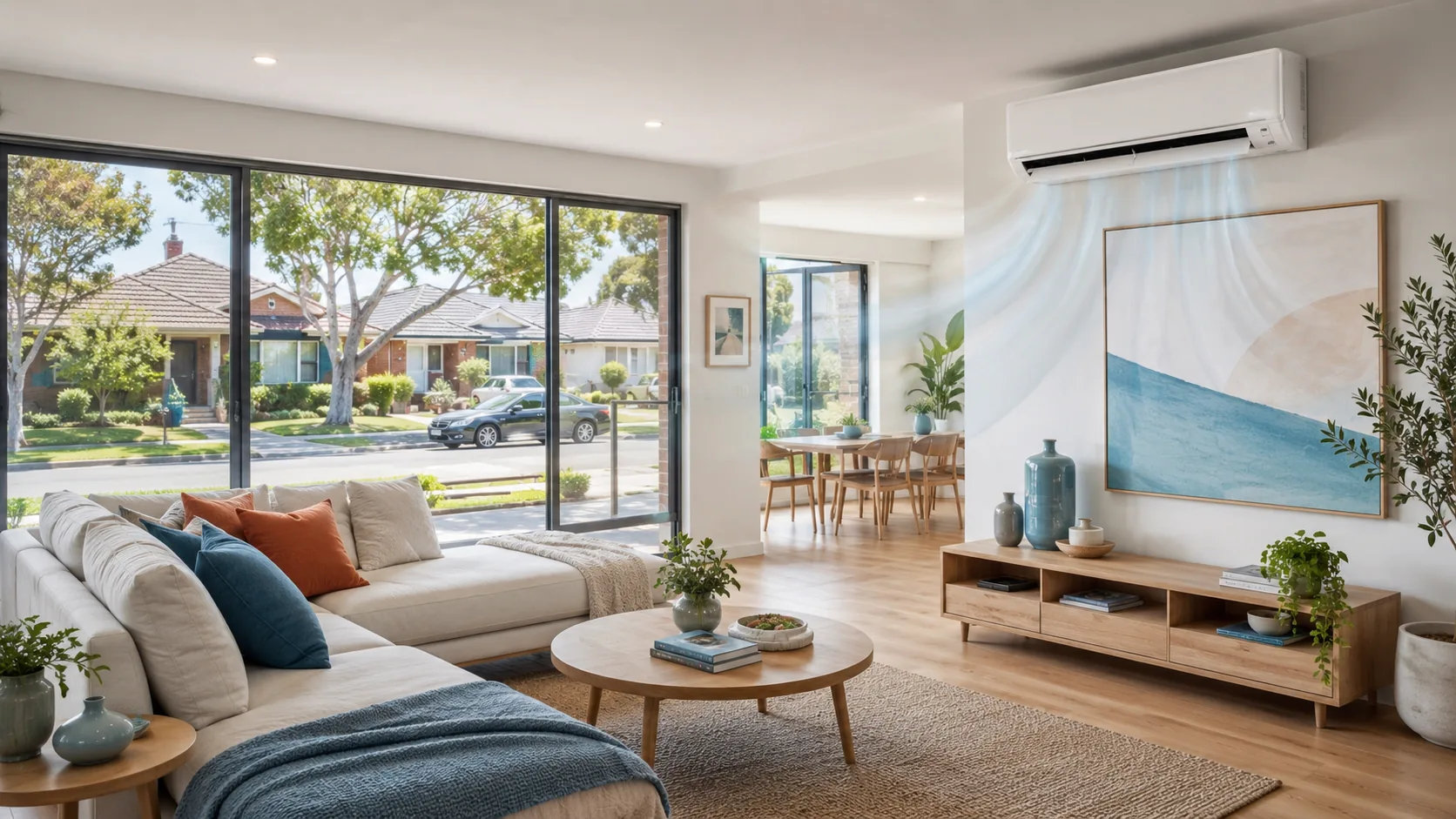
A single split places one indoor unit on the wall. This is easy to plan in a living room, but it remains visible.
Several separate split systems can also mean several outdoor units. This can be hard on a small block or apartment balcony.
A multi-split uses one outdoor unit for several indoor units. This cuts outdoor clutter, but the wall units remain visible inside.
Placement also affects noise and airflow. The outdoor unit needs clear space around it. It should also sit away from bedroom windows where practical.
Energy efficiency and running costs
Running costs depend on more than the system type. Size, efficiency, insulation, temperature settings and daily use all matter.
A single split works well when you only need one area. You avoid using energy in empty rooms.
Ducted systems use a larger fan and lose some air through the ducts. The Australian Government notes that this can reduce efficiency compared with a wall-mounted split system.
Ducted air conditioning still makes sense when several rooms are used together. Zoning helps you switch off areas that are empty.
Compare the right label information
Many single split systems display a Zoned Energy Rating Label. It shows heating and cooling efficiency for different Australian climate zones.
The label also lists system capacity and noise details. Compare units with a similar capacity, not star ratings alone.
Ducted and multi-split systems do not always show the same consumer label. Ask the installer for matching details on capacity, seasonal efficiency and noise.
Your home also affects energy use. Insulation, draught sealing, curtains and outdoor shade reduce the work your air conditioner must do.
Maintenance and noise
Every reverse cycle air conditioner needs basic care.
For a single split, clean the indoor filter and keep the outdoor unit clear. A multi-split has several indoor filters, so there are more units to check.
Ducted systems use central filters and hidden ducts. The ducts need to stay sealed and insulated. Leaks can reduce airflow and waste energy.
Book regular servicing with a licensed technician. They can check filters, drains, electrical parts and refrigerant levels.
Noise matters in bedrooms, apartments and homes with close neighbours. Both indoor and outdoor units make sound.
Ask for the noise rating before you choose a model. The installer should also check the mounting surface and distance from nearby windows.
Which system should you choose for a Melbourne home?
Choose a single split for one main room or a compact home. Choose a multi-split for several rooms with separate controls. Choose ducted air conditioning for whole-home coverage and a discreet finish.
A single split system suits:
an apartment or small unit
one open-plan living area
a bedroom, office or extension
a home with little roof space
a household that uses one area at a time.
A multi-split system suits:
a townhouse with rooms on two levels
several rooms that need separate settings
a property with little outdoor space
a home where ducts are hard to install.
Ducted air conditioning suits:
a medium or large home
several rooms used at the same time
a home with suitable roof or floor space
a renovation where ducts can be planned early
a homeowner who prefers small vents.
The split system vs ducted air conditioning choice should not rely on house size alone. Your layout and daily routine matter just as much.
During an assessment, Smart Upgrades checks room size, insulation, roof access, switchboard capacity and unit placement. The team can then recommend a suitable system and installation plan.
Victorian rebates for air conditioning upgrades
The Victorian Energy Upgrades program includes approved reverse cycle air conditioners. This covers eligible single split, multi-split and ducted systems.
The product must meet the program rules. An accredited provider, which is a business approved to manage VEU upgrades, must be involved before installation starts.
For residential work, the approved product must include the required warranty. Rules also apply when an old heating or cooling system is replaced.
Eligibility and available incentives depend on the government program, approved product, existing system, property and your circumstances. Approval and discount amounts are not guaranteed.
What is the difference between ducted and split-system air conditioning?
Ducted air conditioning uses one central unit to send air through ducts and vents.
A split system has one indoor unit and one outdoor unit for a room or open area. A multi-split connects several indoor units to one outdoor unit.
Is ducted air conditioning more expensive to run?
Ducted air conditioning can use more energy because it serves a larger area and loses some air through ductwork.
Actual costs depend on system size, duct condition, zoning, insulation and use. Good zoning helps you avoid heating or cooling empty rooms.
Is a split system better for a small Melbourne home?
A single split is a strong choice for a small home, unit or apartment with one main living area.
It needs less hidden space and lets you control the area you use. Apartment owners should check building rules before choosing an outdoor unit position.
Should I choose ducted air conditioning or a multi-split system?
Choose ducted air conditioning for whole-home coverage and a clean indoor look.
Choose a multi-split when several rooms need separate controls and roof ducts are not practical. Your layout, pipe routes and outdoor unit position will guide the final choice.
Can ducted air conditioning be zoned?
Yes. A ducted system can direct air to selected parts of your home.
Common zones include living areas and bedrooms. The installer must design each zone so the system still receives enough airflow.
Which system is easier to install in an existing home?
A single split is easier to install because it does not need ductwork.
A multi-split also avoids ducts, but it needs pipes to each indoor unit. Ducted installation needs enough roof or underfloor space, clear access and suitable vent positions.