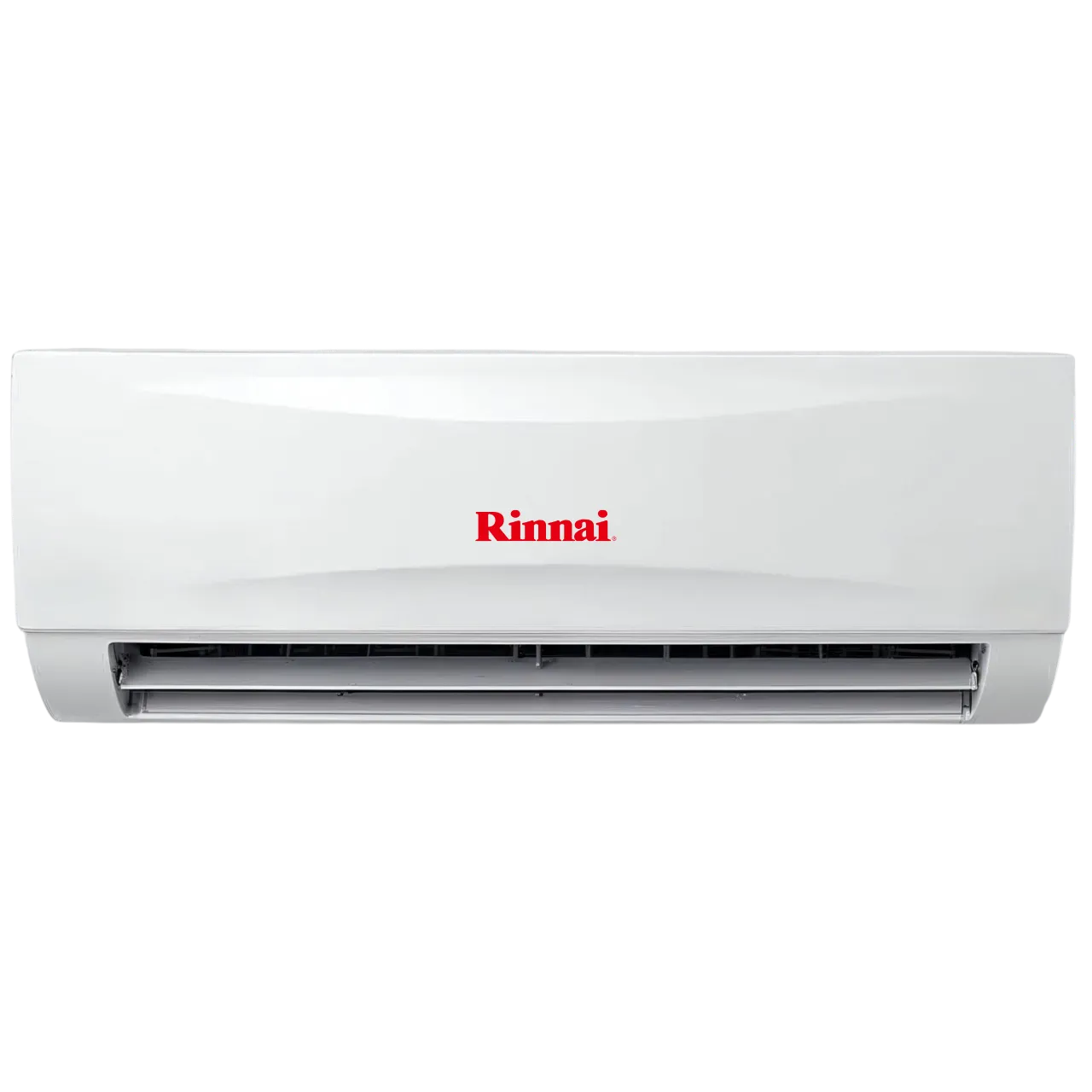
Choosing between gas heating and air conditioning can affect your winter energy bills. Victorian homes can use split system air conditioning or ducted air conditioning. An energy rebate in Victoria may also reduce the cost of an eligible upgrade.
Reverse cycle air conditioning can heat and cool your home. It may also cost less to run than gas heating.
However, every home is different. System size, zoning, tariffs, insulation and solar use can all change the result.
This guide explains what to compare before you upgrade.
Is reverse cycle air conditioning cheaper to run than gas heating?
Reverse cycle air conditioning is often cheaper to run than gas heating in Victoria. It moves heat from outside into your home. Gas heating creates heat by burning fuel.
The Australian Government states that reverse cycle systems can reach 300% to 600% efficiency. One unit of electricity may provide three to six units of heat.
Gas heaters lose some energy through the flue. Ducted gas systems can also lose heat through old or damaged ducts.
Their fans use electricity too.
Your final cost will depend on:
system efficiency
electricity and gas rates
the rooms you heat
how long the heater runs
insulation and draughts
access to rooftop solar
Online estimates are useful for a quick comparison. They won’t show the exact cost for your home.
Check your latest bills first. Then compare your room sizes, heating times and current system.
What should homeowners compare besides running cost?
Running cost matters, but it isn’t the only factor.
Installation cost
A single split system may be cheaper to install than a ducted system.
Larger projects may need new wiring, switchboard work or new ducts.
Check whether the quote includes removal, electrical work and certificates.
Heating and cooling
Reverse cycle air conditioning provides both heating and cooling.
This may replace two older systems with one new appliance.
Comfort and zoning
Compare noise, airflow and temperature control.
Split systems provide room control. Ducted systems can provide even heating across the home.
Home efficiency
A new heater can’t fix heat loss.
Insulation, curtains and draught sealing can reduce the amount of heating you need.
Maintenance and warranty
Compare servicing needs, filter cleaning and warranty terms.
Also check whether replacement parts are easy to find.
Future electrification
Think about the other gas appliances in your home.
Replacing gas heating may be the first step towards an all-electric home.
You may later replace gas hot water and cooking. Full electrification may allow you to remove the gas supply charge.
Frequently asked questions
Is reverse cycle air conditioning cheaper to run than gas heating?
It’s often cheaper in an efficient Victorian home. The result depends on the system, tariff, zoning, insulation, solar and household use. A home assessment gives a more useful estimate than a broad average.
How does Victoria’s climate affect heating costs?
Colder weather increases heating demand. Location, insulation, glazing and draughts also affect heat loss. Choose a system with enough capacity and strong cold-weather performance.
Can solar reduce reverse cycle heating costs?
Yes. Solar can supply electricity to your heater during the day. Pre-heating rooms while your panels produce power may reduce grid use.
What should homeowners compare besides running cost?
Compare installation cost, zoning, noise, comfort, cooling, maintenance and warranty cover. You should also inspect your switchboard, ducts and insulation.
Request a heating and cooling assessment
Choosing between gas heating, split systems and ducted air conditioning takes more than a quick price check.